
Brands


Products


Client Care


🍁 Proudly Canadian since 2005Clean, age-positive skincareEvery brand hand-picked by us
Your skin isn't failing. It's changing


For most of my life, my skin was oily. Acne-prone, shiny-by-lunch, blotting-papers-in-every-purse oily. I spent my whole thirties trying to get it under control (with a couple of pregnancies thrown in to keep things interesting).
Then somewhere in my early forties, it totally changed. Not slowly either… It felt like someone went into the settings while I wasn't looking. Suddenly my skin was dry and tight after I washed it. The products I'd relied on for years weren't just "not helping" anymore - some of them were making things worse.
I work with skin every single day, but it still caught me completely off guard.
Here's what I've learned since: I'm not the exception. I'm the rule.
Almost every week, a customer tells me some version of the same thing. "The products I've used forever just aren't doing it anymore." Or, "My skin is doing stuff it has never done before." We all expected our skin to go a little haywire during pregnancy, but many of us didn’t know that the years leading up to menopause can do the same thing - and keep doing it for years after too.
So let's start here, with Rule 1 of our new campaign - Old Skin, New Rules:
Your skin isn't failing. It's changing.
Your products didn't suddenly get worse. And this isn't a "turning 50" thing. Some of these changes start in your twenties and thirties. Many women just notice the changes most in their forties, when hormones hit quite hard.
What's actually going on under there
1. Your collagen is slowing down.
Collagen is the scaffolding that keeps skin firm and bouncy. Your body starts making a little less of it every year from your twenties on - slowly enough that you don't notice. Then menopause hits fast-forward. Research shows that women's skin loses about 30% of its collagen in the first five years of menopause, then about 2% a year after that.
That's the "why does my face look tired when I'm not even tired" feeling. It's not your imagination.
2. Your skin makes less oil.
Oil production drops as we age, especially after menopause. For those of us who were oily our whole lives, this sounds like a gift. (It kind of is) But that oil was also one of your skin's built-in moisturizers. Less of it means skin that dries out faster and feels tight - even if it never used to.
3. Your barrier is slower to bounce back.
Your skin barrier is the outer layer that holds moisture in and keeps irritants out. It's built from fats - mainly ceramides, cholesterol and fatty acids. Aging skin makes fewer of them, so when the barrier gets damaged (a harsh cleanser, cold wind, a new product that's a bit much), it takes longer to repair. That's why a product you've loved for years can suddenly sting. I wrote a whole post on this a few months back if you want more info on what this means: Your Skin Barrier Is Your Anti-Aging Secret Weapon.
4. Your cell turnover slows way down.
Your skin is always shedding old cells and making new ones. Between our thirties and our seventies, that process slows to about half the speed. So dead cells hang around longer. Skin looks duller, feels rougher, and a breakout mark that used to fade in a week now sticks around for a month. Rude, right?
5. Estrogen changes everything.
Estrogen helps your skin hold onto collagen, moisture and thickness. During perimenopause - which usually starts in your forties, sometimes earlier, and can last several years - estrogen doesn't just quietly drop… it swings up and down. And as it falls, the balance with your other hormones shifts. For a lot of women, that means: dry skin and breakouts. At the same time! So yes - many women get first real wrinkles and jawline pimples at the same time.
And one more thing - the sun. Years of it add up, and a big part of what we think of as "aging" on our faces is actually sun damage (we just don't notice it as much in our 20s and 30s because it accumulates the older we get). We'll get into that properly in Rule 8.
So no, you're not doing it wrong
If your skin is acting up, it doesn't mean you've let yourself go, or bought the wrong things, or "should have started earlier." Your skin is doing exactly what skin does. It's just doing something different now.
What it needs is a different kind of care - not necessarily more, but just different.
So what do you actually do?
Here's what I tell women all the time...
- Stop treating the skin you used to have. If you're still using what worked for oily or acne-prone skin - foaming cleansers, gritty scrubs, alcohol-heavy toners, drying spot treatments - your skin might have outgrown them. That was me. Switching to completely different products that I never would have used when I was younger was the single biggest change I made.
- Cleanse gently. An oil, cream, or milk cleanser instead of a squeaky foam. If your face feels tight after washing, that's your skin telling you it was too much.
- Give your barrier what it's made of. Look for a moisturizer with ceramides, cholesterol and fatty acids. Those are the actual building blocks of your barrier, so you're basically handing it its own supplies.
- Hydrate, then seal. Humectants like glycerin or hyaluronic acid pull water into your skin. Put them on slightly damp skin, then a moisturizer on top to keep it there. (We'll go deep on this in Rule 12.)
- Exfoliate less, not more. Slower turnover makes it tempting to scrub harder. Don't. A gentle exfoliating acid like lactic acid once or twice a week does more good than a daily scrub - without wrecking your barrier.
- Wear SPF when needed. UVA rays break down the collagen you're working so hard to keep.
- Change one thing at a time. And then give it time before you decide if it’s working. Change everything at once and you'll never know what's working - or what's causing the trouble.
This is Rule 1 of 12
Every month for the next year, we're tackling one new rule about aging skin. What's actually happening, what works, what's marketing, and what you can do about it.
Next month is: the ingredients worth your money (and the ones that aren't).
And if you're not sure what products to use or what to change in your routine? Talk to us. That's literally what we're here for. No pressure ever; just advice and recommendations.
Your skin isn't failing. It's changing. And so are the rules. 🤍

Also in Blog

Don't use three ingredients for one job.
Last month a customer emailed me with a question I get about once a week. She had bought a vitamin C and a retinol, and she wasn't sure they could go in the same routine. Do they cancel each other out? Does she have to pick one?
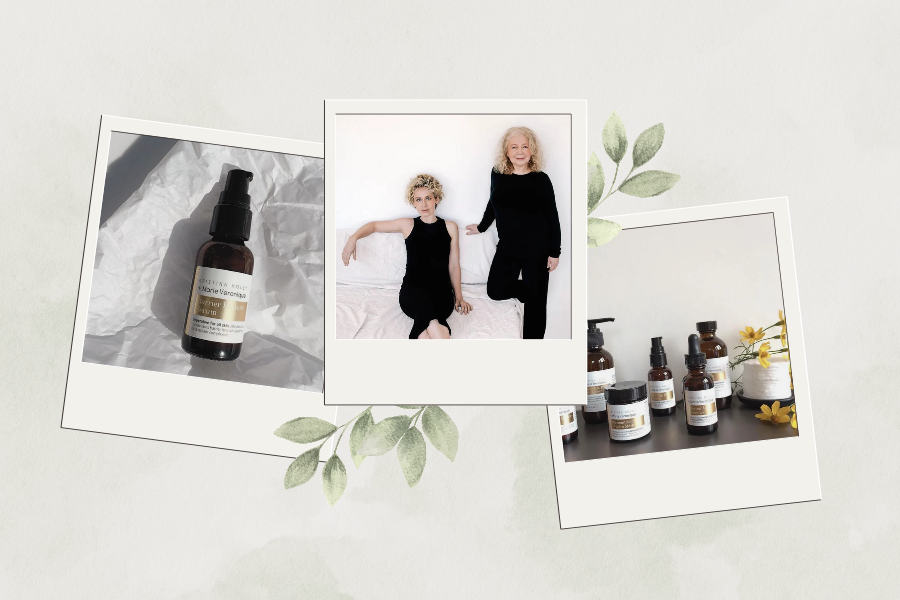

Marie Veronique, the chemist who is early to everything
Marie Veronique was making oil cleansers and barrier serums years before anyone else caught on. Here's the chemist behind the brand, and what's coming in January...
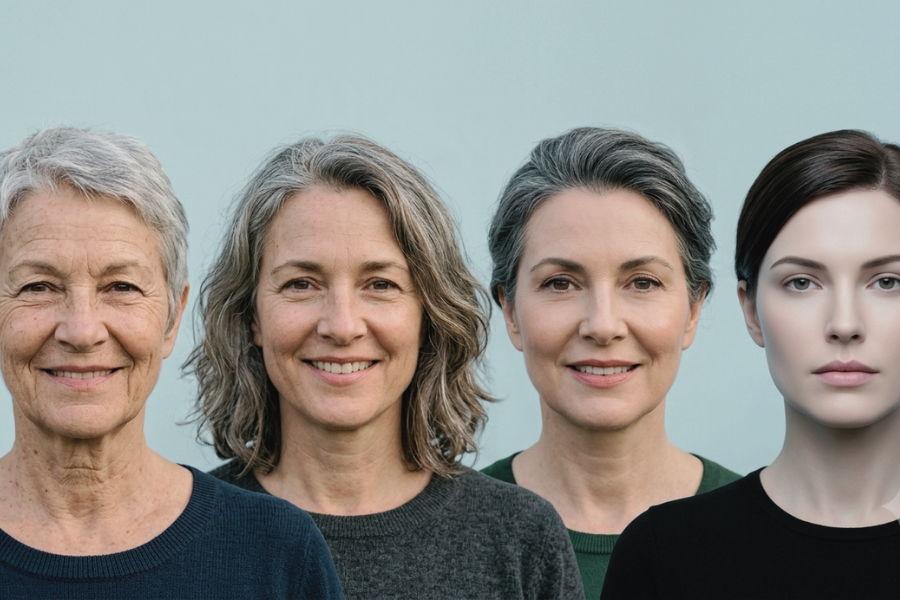

The beauty standard just stopped being human
I have a love-hate relationship with AI, and I don't think it’s going to change any time soon. The hate part is easy to explain. Scroll for two minutes and you'll find women who don't have a single pore or wrinkle - perfect skin, perfect ...
Aging Authentically · Part
This blog is part of
See every post and the survey results from this part, or start the whole campaign from the beginning.

Hi, I'm Lisa
I started Lilou in 2005, and I still pick every single product we carry. Not sure what your skin needs? Tell me about it and I'll point you to what's worth buying (and what you can skip).